




Guide to Nature Events and Activities in the Fontainebleau Forest
Les événements nature autour de Fontainebleau se déclinent en activités immersives telles que l'observation du brame du cerf en automne, les randonnées guidées sur les circuits forestiers et les initiations à l'escalade de blocs.
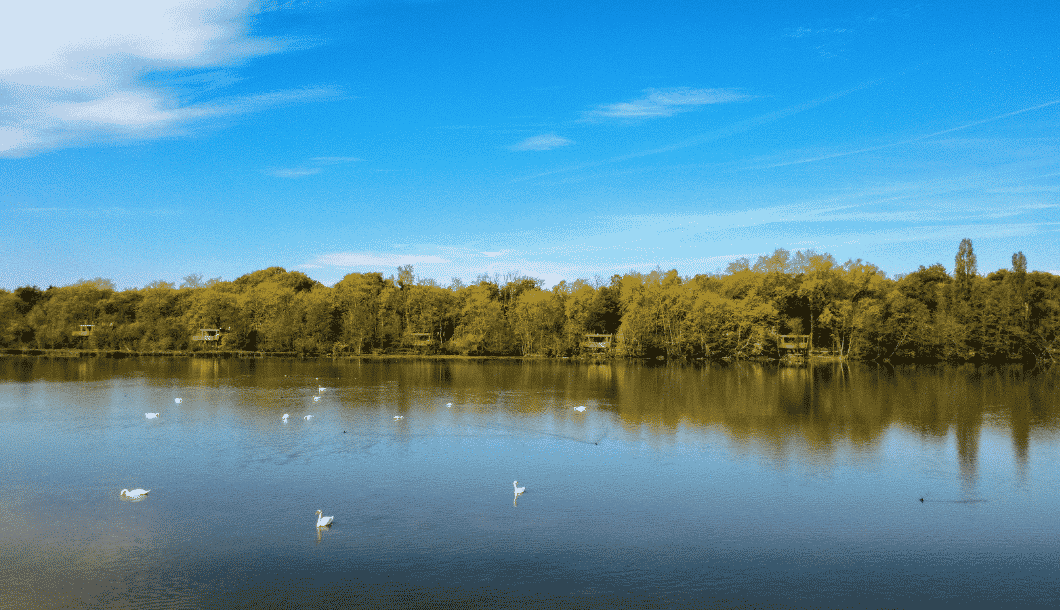
Nature events around Fontainebleau include immersive activities such as observing the deer rut in autumn, guided hikes on forest trails, and bouldering introductions. These outdoor experiences stretch from the national forest to the banks of the Loing, offering a complete reconnection with nature.
The Cycle of Seasons in the Fontainebleau Forest
The Fontainebleau forest, a vast expanse of over 25,000 hectares, is a dynamic ecosystem that transforms throughout the year. The nature events and activities that take place there are intrinsically linked to these seasonal variations. In spring, the focus is on the awakening of local flora. Forest guides and naturalist associations organize botanical tours, particularly on the sandy trails of the Gorges de Franchard or amidst the rocky outcrops of Apremont. Walkers can observe the regrowth of bracken ferns, the blooming of heather, and the budding of centuries-old oak trees.
In summer, the milder temperatures under the canopy attract those seeking coolness. Attention often shifts to the Loing valley, located in the immediate vicinity of historic towns like Moret-sur-Loing. The banks become the starting point for canoe-kayak trips, allowing observation of aquatic wildlife, dragonflies, and kingfishers in their natural habitat.
Autumn marks a spectacular turning point with the deer rut season. From late September to mid-October, this majestic ritual attracts curious visitors. Professionals from the National Forestry Office (ONF) lead morning or twilight excursions to allow listening to the mating calls without disturbing the large deer.
Finally, the winter season reveals another facet of the massif: a pristine atmosphere, ideal for photographing frosted landscapes and observing sedentary birds in the conifers.
Hiking and Walking Explorations
Exploring on foot remains the most respectful and comprehensive method for appreciating the region's topographical diversity. The Fontainebleau area is crisscrossed by over 300 kilometers of marked trails, a legacy of the historic paths created by Claude-François Denecourt in the 19th century. Walking-related events take various forms, ranging from family strolls lasting a few hours to challenging hikes.
Among the most recognized physical challenges is the '25 Bumps' circuit, located in the Trois Pignons massif. This demanding route, characterized by a significant cumulative elevation gain for the region, regularly hosts group outings organized by alpine clubs or Nordic walking federations. Walkers discover clear panoramas over a sea of Scots pines and sands of exceptional purity. In parallel, less steep circuits wind around the Étang de Moret and along local waterways, offering opportunities for walks focused on ornithology and the discovery of water-related natural heritage. These gentle routes encourage slow contemplation, far from the urban pace.
Bouldering: A Regional Specialty
It's impossible to discuss outdoor activities around Fontainebleau without mentioning bouldering. The massif is a global reference for this discipline. Unlike cliff climbing, bouldering is practiced on low-height rocks, without ropes or harnesses, with safety ensured by crash pads and spotting from other climbers.
Throughout the year, specialized schools and independent instructors offer introductory days in the most famous sectors, such as l'Éléphant in Larchant or la Cuvette aux Chatons. These sessions are nature events in their own right, as they require careful reading of the sandstone, a precise sense of balance, and a direct connection with the mineral material. Furthermore, these guided sessions consistently emphasize the ethics of the practice: cleaning holds with soft-bristled brushes, respecting surrounding vegetation, and managing waste. This discipline thus harmoniously integrates with respect for the local ecosystem.
An Ideal Base: Cabanes de l'Orvanne
To fully experience these forest and aquatic adventures, the choice of accommodation is crucial. Located in Écuelles, approximately a 15-minute drive from the edge of the Fontainebleau forest, the estate of Cabanes de l'Orvanne offers a strategic base. Spanning 95 hectares where water dictates the landscape design, this site allows for extending natural immersion long after daytime activities conclude.
The estate is structured around various accommodation types, all designed to blend seamlessly with the landscape. By exploring the page dedicated to our cabins, travelers discover structures perched in the canopy, clinging to hillsides, or delicately placed near wetlands. Bioclimatic architecture, favoring wood and large, bright openings, invites nature into the living space. After a demanding hike on the sandstone trails, returning to the estate is accompanied by recovery options designed for the body. Most accommodations feature a private heated Nordic bath. Additionally, the wellness area allows you to book massages ranging from 30 minutes to 1.5 hours, promoting optimal muscle relaxation amidst the forest's silence.
The site's accessibility has been designed to facilitate short stays or car-free micro-adventures. Detailed information on the contact and access page specifies that the estate is reachable in 50 minutes by train from Paris Gare de Lyon via line R, followed by a quick 10-minute ride by private hire car (VTC) from Moret-Veneux-les-Sablons station. This logistical ease allows guests to maximize their time spent in nature. The overall design of the site, a result of collaboration with the AW² agency, aims to preserve the authenticity of the environment, an approach explained in detail in the article on the design of Cabanes de l'Orvanne with AW2 agency. Whether one comes to listen to the deer, climb the sandstone, or simply observe the wind in the leaves from the balcony of their terrace, the experience remains rooted in the celebration of natural rhythms.
Key Facts
- Fontainebleau Forest: A massive forest ecosystem spanning over 25,000 hectares, home to protected biodiversity.
- Marked Trails: Over 300 kilometers of routes, including challenging athletic trails like the '25 Bumps' circuit.
- Bouldering: An internationally renowned site for bouldering on unique sandstone formations.
- Seasonality: Key events spread throughout the year, including the deer rut in autumn and botanical observations in spring.
- Local Accommodation: A 95-hectare estate located in Écuelles, offering landscape-integrated retreats with Nordic baths.
FAQ
What is the ideal time to participate in nature events around Fontainebleau?
Each season offers its unique characteristics. Spring and summer are perfect for hiking and water activities on the Loing river. Autumn is ideal for wildlife observation, especially during the deer rutting season, while winter offers frosted landscapes perfect for nature photography.
Do you need to be an experienced climber to try bouldering?
Absolutely not. The Fontainebleau forest offers routes suitable for all levels, including many introductory courses. Numerous local climbing schools provide supervised sessions to safely begin the practice with appropriate equipment.
How can one respectfully participate in deer rutting season outings?
It is highly recommended to register for guided outings organized by agents of the National Forestry Office (ONF) or by local naturalist associations. These professionals know the listening areas and ensure a silent approach that does not disturb the animals' natural behavior.
Is the Cabanes de l'Orvanne estate suitable for resting after a day of exploration?
The accommodations are specifically designed for recovery and comfort. In addition to high-quality bedding and the absolute tranquility of the estate, most structures feature a heated Nordic bath. Professional treatment rooms are also available for massage sessions by reservation.
Can one travel to the Fontainebleau region without a personal vehicle?
The region is very well served by the Île-de-France railway network. Transilien Line R connects Paris Gare de Lyon to key towns like Fontainebleau-Avon or Moret-Veneux-les-Sablons in less than an hour. From the stations, access to the forests or accommodations is easily done by bike, taxi, or ride-sharing service.